How to Choose the Right Contractor in Maryland: Complete Guide
Learn how to select a trustworthy, qualified contractor for your Maryland home remodeling project. Discover red flags to avoid, essential questions to ask, and credentials to verify.
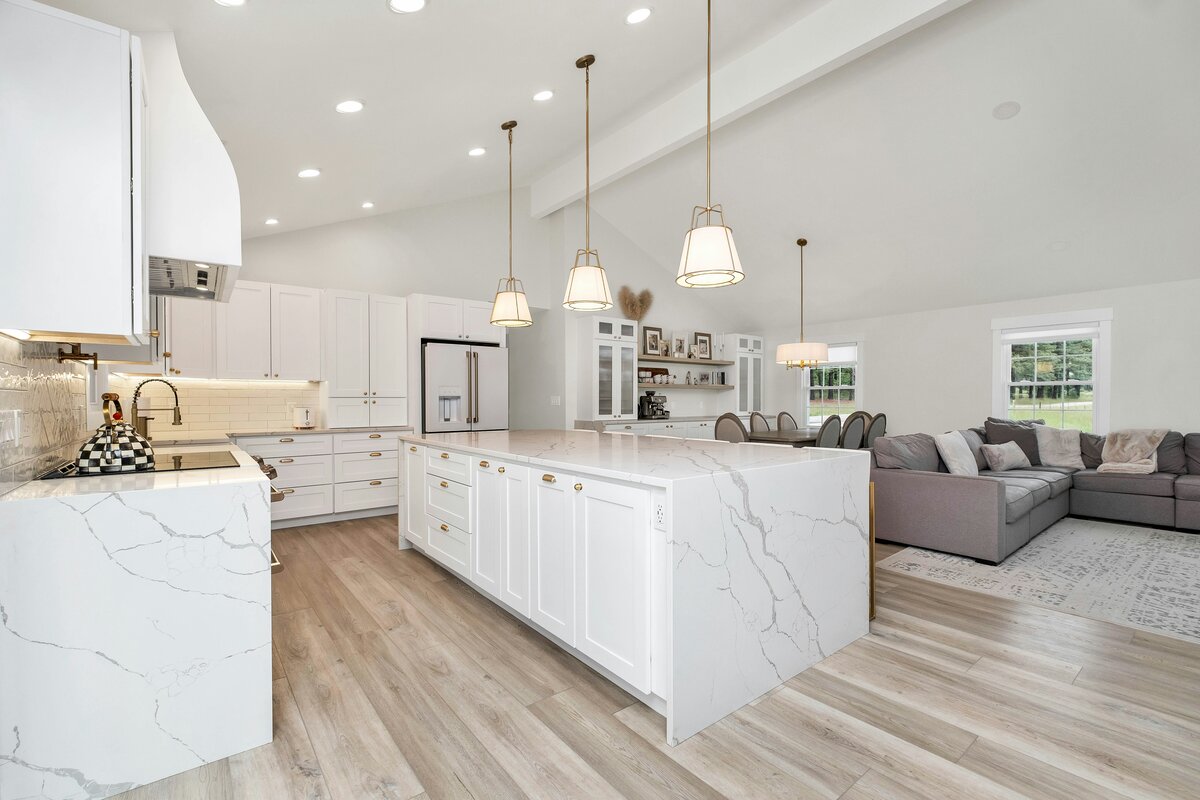
Selecting the right contractor is the most critical decision you'll make during your home remodeling project. A skilled, trustworthy contractor delivers quality work on time and budget, while a poor choice leads to delays, cost overruns, and subpar results. After 15+ years serving Maryland homeowners, we've seen both scenarios—and we're sharing our insider knowledge to help you make the right choice.
Why Choosing the Right Contractor Matters
Your contractor choice affects:
- Project Quality: Craftsmanship that lasts versus shortcuts that fail
- Timeline: Meeting deadlines versus endless delays
- Budget: Accurate estimates versus constant upcharges
- Stress Level: Smooth communication versus constant frustration
- Safety: Proper permits and code compliance versus liability risks
- Home Value: Professional results that boost resale value
Essential Contractor Credentials to Verify
Maryland Home Improvement License
Maryland requires contractors to be licensed by the Maryland Home Improvement Commission (MHIC) for projects over $500. Verify licenses at https://labor.maryland.gov/pq/.
Key points:
- License should be active and in good standing
- Check for any complaints or violations
- Ensure the license covers your project type
- Verify the business name matches your contract
Red Flag: Any contractor who claims you "don't need permits" or operates without proper licensing.
Insurance Coverage
Require proof of:
- General Liability Insurance: Protects your property from damage during work
- Workers' Compensation: Covers contractor employees if injured on your property
- Bonding: Provides financial protection if the contractor doesn't complete work
Call insurance companies directly to verify coverage is current and adequate for your project size.
Local References and Portfolio
Request:
- At least 3-5 recent references from similar projects
- Photos of completed work
- Permission to visit completed projects in person
- Contact information for past clients
Don't just ask "Were you satisfied?" Ask specific questions about:
- Did they stay on budget and timeline?
- How did they handle problems?
- Was the crew professional and respectful?
- Did they clean up daily?
- Would you hire them again?
Critical Questions to Ask Before Hiring
About Their Business
- How long have you been in business?
- How many projects like mine have you completed?
- Will you be doing the work personally or using subcontractors?
- Who will supervise the project daily?
- How do you handle changes to the scope of work?
About the Project
- What's your estimated timeline from start to finish?
- When can you start?
- What permits are required and who handles them?
- What specific materials and brands do you recommend?
- How do you handle unexpected issues or additional costs?
About Communication and Process
- Who will be my main point of contact?
- How often will we have progress updates?
- What's your typical work schedule?
- How do you handle payments?
- What warranty do you provide?
Warning Signs and Red Flags
Payment Red Flags
- Requesting Large Upfront Payments: Never pay more than 10-33% upfront
- Cash-Only Payments: Legitimate businesses accept checks or credit cards
- No Written Contract: Everything should be documented
- Pressure to Pay Quickly: "This price expires today" is a manipulation tactic
Professionalism Red Flags
- No physical address or website
- No written estimates or contracts
- Unwilling to provide references
- Can't explain the work process clearly
- Shows up late or misses appointments without notice
- Poor communication or unresponsiveness
Work Quality Red Flags
- Unwilling to obtain necessary permits
- Recommends skipping inspections
- Can't provide insurance certificates
- Vague about project timeline
- Won't commit to warranties
- Pressure to make quick decisions
Understanding Contractor Estimates
What a Detailed Estimate Should Include
- Labor Costs: Broken down by task or hourly rates
- Material Costs: Specific brands, models, and quantities
- Permit Fees: If applicable
- Timeline: Start and completion dates
- Payment Schedule: When payments are due
- Warranty Information: What's covered and for how long
- Change Order Process: How additions/changes are handled
Comparing Multiple Bids
Get at least three detailed estimates. The lowest bid isn't always the best choice.
Consider:
- Scope of Work: Are all bids for the same work?
- Material Quality: Are they using comparable materials?
- Timeline: Does the schedule make sense?
- Communication: How responsive and professional were they?
- Gut Feeling: Do you trust them?
Be wary of bids significantly lower than others—they may:
- Use inferior materials
- Cut corners on labor
- Add hidden fees later
- Not be properly licensed or insured
The Importance of a Written Contract
A comprehensive contract protects both parties. Essential elements include:
Project Details
- Complete scope of work
- Specific materials (brand, model, color, size)
- Plans, drawings, or sketches
- Start and completion dates
- Work schedule and hours
Financial Terms
- Total project cost
- Payment schedule tied to completion milestones
- How change orders are priced
- Who pays for permits and inspections
- What happens if project is delayed
Legal Protections
- Contractor's license number
- Proof of insurance
- Warranty information
- Cleanup responsibilities
- Dispute resolution process
- Cancellation policy
Never sign a contract with blank spaces or unclear terms. Read everything carefully and ask questions about anything you don't understand.
Maryland-Specific Considerations
Local Permitting Requirements
Different Maryland counties have varying requirements. Your contractor should:
- Know local building codes
- Have relationships with local inspectors
- Handle permit applications
- Schedule required inspections
- Address any inspection issues
HOA Regulations
If you live in an HOA community:
- Check if you need HOA approval
- Provide contractor with HOA guidelines
- Ensure contractor follows rules about work hours, parking, and dumpsters
Weather Considerations
Maryland's climate affects project timing:
- Winter: Interior projects ideal; exterior work may be delayed
- Spring/Summer: Peak season; book contractors early
- Fall: Good weather but shorter days
- Year-round: Plan for weather-related delays
Specialty Contractor Certifications
Depending on your project, look for:
- NARI (National Association of the Remodeling Industry)
- NKBA (National Kitchen & Bath Association)
- EPA Lead-Safe Certified (for homes built before 1978)
- Manufacturer Certifications (for specific products or systems)
These certifications indicate ongoing education and industry commitment.
Working Successfully with Your Contractor
Once you've chosen a contractor:
Set Clear Expectations
- Discuss daily work hours
- Establish communication preferences
- Define cleanup standards
- Set boundaries about home access
Maintain Open Communication
- Schedule regular check-ins
- Address concerns immediately
- Document conversations in writing
- Stay flexible for minor adjustments
Make Timely Decisions
Delays often occur because homeowners haven't:
- Selected materials
- Made design decisions
- Approved change orders
- Responded to contractor questions
Keep the Jobsite Accessible
- Ensure clear paths to work areas
- Provide utilities access
- Move valuables and fragile items
- Arrange for pets during work hours
When Things Go Wrong
Despite careful selection, issues can arise:
Document Everything
- Take photos and videos
- Save all emails and texts
- Note dates, times, and conversations
- Keep copies of contracts and receipts
Follow the Chain of Command
- Speak directly with your contractor
- Send written documentation of issues
- Request a meeting to resolve problems
- Review contract for dispute resolution process
Know Your Legal Options
If resolution isn't possible:
- File a complaint with Maryland MHIC
- Consult an attorney
- Consider mediation or arbitration
- Review your contractor's bond for reimbursement
Why BM Contracting is Maryland's Trusted Choice
At BM Contracting, we understand that trust is earned, not given. That's why we:
- Maintain full Maryland licensing and insurance
- Provide detailed, transparent estimates
- Communicate clearly throughout projects
- Stand behind our work with comprehensive warranties
- Have 15+ years of satisfied Maryland clients
We believe in educating homeowners because informed clients make better partners. When you know what to expect, projects run smoother and results exceed expectations.
Ready to Start Your Project?
Choosing the right contractor doesn't have to be overwhelming. Use this guide to ask the right questions, verify credentials, and make confident decisions.
Contact BM Contracting for a free, no-pressure consultation. We'll discuss your project, answer your questions, and provide a detailed estimate with no hidden fees. Experience the difference that professionalism, transparency, and quality craftsmanship make.
Let's build something amazing together—the right way.
Tags:
Ready to Transform Your Home?
Get a free consultation from Maryland's trusted home remodeling experts. We're here to help you every step of the way.
Schedule Free Consultation